
It is true that most people who take up yoga get lost in the practice of asana practice only. The total focus is on the complexities of different postures and the desire to master the difficult poses. However, the Yoga Sutras of Maharshi Patanjali talk of higher states which can be reached through the practice of yoga where a steady mind has the potential to achieve intuitive knowledge of the pure self. Therefore, this path is not for those who are slaves to physical comforts and content with being at that level. Only those who have a deep-rooted yearning for deeper truth can continue on this path lifelong.
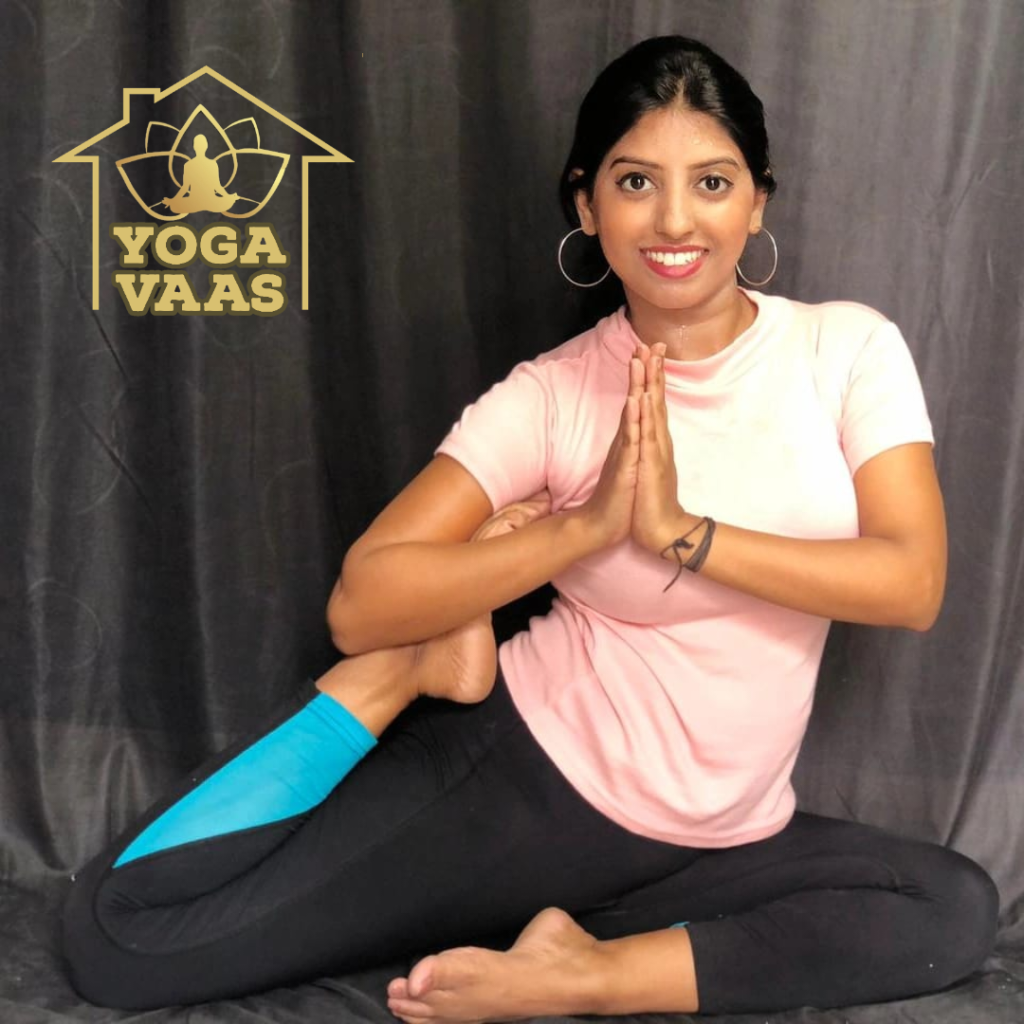
Thus, yoga is more than a physical routine; it enhances flexibility, breath control, and self-awareness. Unlike high-impact workouts that may strain the body over time, yoga is gentle yet effective, making it a sustainable lifelong practice.
The Lifelong Gift of Yoga and Meditation
A strong reawakening wellness foundation is built on habits that sustain the body and mind. Unlike short-term fitness routines, yoga and meditation evolve with you, providing a path to lasting strength, emotional balance, and mental clarity. Whether you seek relief from stress, improved focus, or enhanced flexibility, these ancient practices will always be there to support your well-being.
Yoga: A Practice That Grows with You
Yoga is more than a series of physical postures. It is a complete system that harmonizes movement, breath, and awareness. Unlike high-intensity workouts that may strain the body over time, yoga adapts to different life stages and physical conditions.
Yoga can be adapted to different ages and physical conditions. Whether you are a teenager, an adult managing daily responsibilities, or a senior focusing on graceful aging, a well-balanced practice of asana, pranayama, kriya, and meditation can bring immense benefits. Here are some suggestions for the different age groups:
1. Yoga for Teenagers (13–19 years)
Teenagers experience rapid physical, emotional, and mental changes. With increasing academic pressure, screen time, and social challenges, yoga provides a natural way to build focus, confidence, and emotional stability.
Surya Namaskar – Enhances flexibility and strength.
Virabhadrasana – Builds confidence and stamina.
Yogendra Ustrasana – Improves posture and lung capacity.
Yogendra Shavasana – Helps relax a hyperactive mind.
Pranayama:
Bhastrika – Boosts energy levels and lung capacity.
Kriya:
Trataka (Candle Gazing) – Improves focus and strengthens eyesight affected by excessive screen time.
Meditation:
Japa Meditation (Chanting a Mantra) – Helps overcome anxiety and enhances self-discipline.
Guided Visualization – Improves creativity and motivation.
Benefits for Teenagers:
Better concentration and academic performance
Increased self-confidence and emotional resilience
Reduced anxiety and exam-related stress
Improved posture and lung function
2. Yoga for Adults (20–50 years)
Balancing work, relationships, and responsibilities often leads to stress, fatigue, and lifestyle-related disorders like hypertension, diabetes, and obesity. Yoga helps in maintaining energy, emotional stability, and overall health.
Asanas:
Yogendra Talasana – Improves posture and strengthens the spine.
Yogendra Bhujangasana – Relieves back pain caused by prolonged sitting.
Yogendra Ardha Matsyendrasana (Seated Spinal Twist) – Aids digestion and detoxification.
Yogendra Ekpadasana – Enhances balance and mental clarity.
Pranayama:
Anuloma Viloma – Brings harmony to body and mind.
Kriya:
Jala Neti – Clears sinuses and improves respiratory health.
Meditation:
Mindfulness Meditation – Helps manage stress and cultivates awareness.
Benefits for Adults:
Reduced stress, anxiety, and fatigue
Enhanced focus and productivity
Better digestion and metabolism
Improved work-life balance and emotional well-being
3. Yoga for Seniors (50+ years)
Aging naturally brings physical limitations, joint stiffness, and slower metabolism. A gentle yoga practice helps maintain mobility, mental clarity, and emotional peace, allowing seniors to enjoy an active and fulfilling life.
Asanas:
Yogendra Pavanamuktasana – Aids digestion and reduces bloating.
Yogendra Bhadrasana – Improves hip flexibility and blood circulation.
Supta Bhadrasana – Helps relieve fatigue and stress.
Setu Bandhasana – Strengthens the back and relieves lower back pain.
Pranayama:
Bhramari – Reduces stress and improves sleep.
Kriya:
Kapalabhati – Energises and drains the sinuses.
Meditation:
Mantra Meditation – Increases positivity and reduces loneliness.
Benefits for Seniors:
Improved flexibility and joint mobility
Reduced risk of age-related diseases
Better sleep and reduced stress
Increased sense of inner peace and contentment
The beauty of yoga lies in its adaptability—it evolves with each stage of life, offering lifelong support for physical, mental, and spiritual well-being. Whether you are a teenager, an adult, or a senior, integrating asana, pranayama, kriya, and meditation into your daily routine will help you stay strong, centered, and vibrant. Instead of treating yoga as a temporary wellness trend, embrace it as a lifelong practice that grows with you.
How Yoga Supports Lifelong Health
Strength and Flexibility:
Whether you are 20 or 70, regular practice keeps muscles and joints supple, reducing stiffness and pain.
Spinal Health:
Gentle spinal movements in asanas improve posture and prevent back issues.
Respiratory Function:
Pranayama techniques help expand lung capacity, ensuring efficient oxygen supply.
Circulatory and Digestive Health:
Twists, inversions, and forward bends stimulate circulation and metabolism.
Hormonal Balance:
Certain asanas help regulate endocrine function, which becomes essential with age.
Meditation: A Constant Anchor for the Mind
Meditation is not just about sitting with closed eyes—it is about training the mind to be present. The human mind is constantly bombarded with information, emotions, and distractions. Meditation offers a way to quiet the noise and develop inner stability.

